Why We Need Electric Vehicles?
“Why do we need Electric Vehicles at all?”
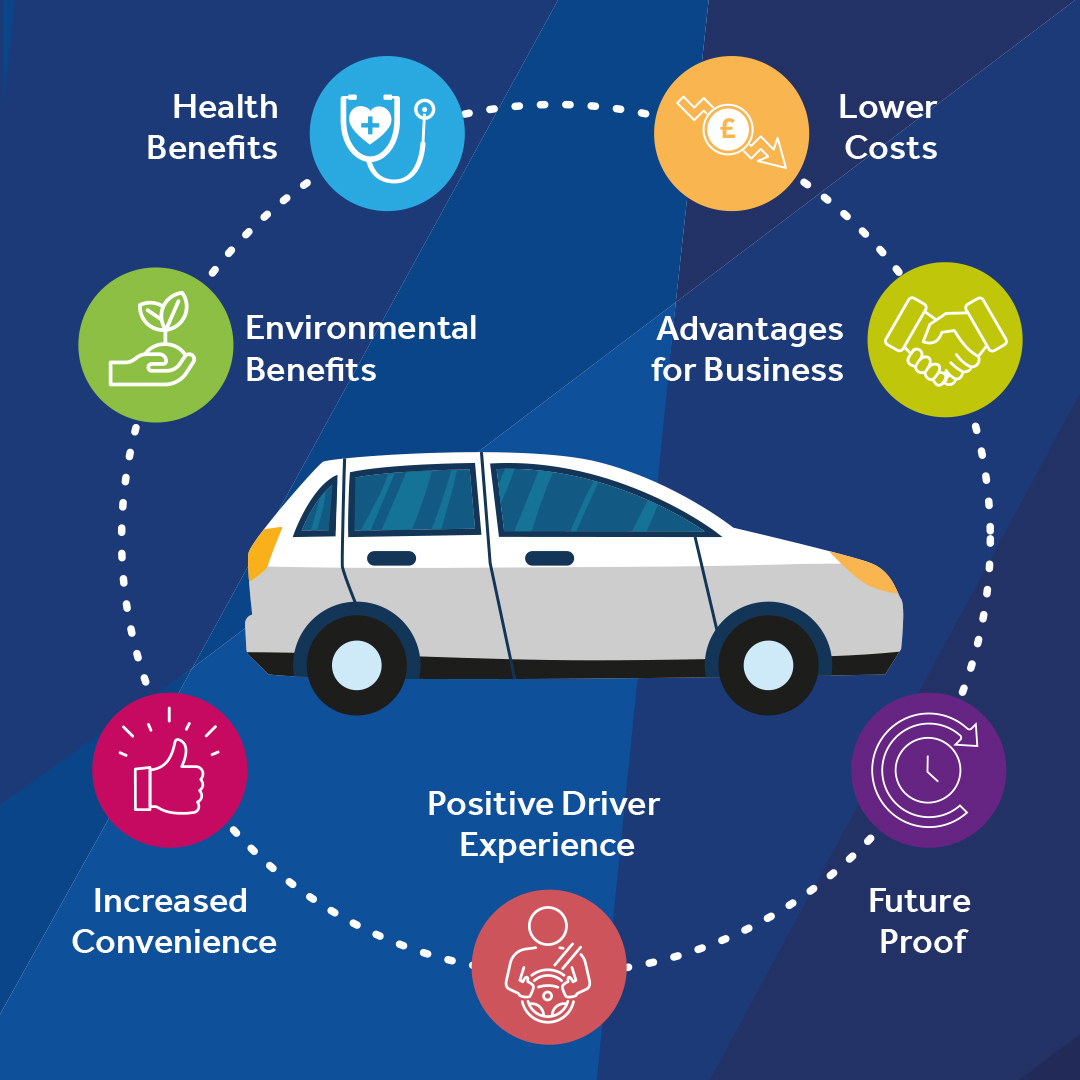
Although EVs are often discussed in terms of trend or technology, the need for them goes far deeper. In class, we examined this need through environmental, economic, technological, and policy dimensions. This blogpost summarizes our discussion and connects it to real-world developments that shape the future of transportation.
Environmental Necessity: Internal Combustion Engine Vehicles (ICEVs) burn fossil fuels and release a cocktail of harmful gases—CO₂, NOₓ, hydrocarbons, and particulate matter. These emissions contribute to:
- Rising air pollution levels
- Accelerated climate change
- Respiratory and cardiovascular health issues
During the session, we reflected on how urban centers in India are already struggling with air-quality challenges. EVs, with zero tailpipe emissions, directly address this issue. Even when considering electricity generation, the overall lifecycle emissions of EVs remain significantly lower, especially as renewable energy penetration increases.
Energy Security and Independence: A point that resonated well with the class was how transportation links directly with national energy dependence.
India—and many other nations—import a large portion of their crude oil requirements. This dependence creates uncertainty due to:
- Global price volatility
- Political tensions
- Supply chain disruptions
EVs shift this dependency from imported oil to locally generated electricity, which can come from:
- Solar
- Wind
- Hydropower
- Even emerging sources like green hydrogen
This transition improves national energy resilience and keeps more economic value within the country.
Economic Advantages for Users: We also discussed the long-term cost benefits:
- Petrol and diesel prices continue to rise over years.
- Electricity, on the other hand, remains relatively stable and cheaper per kilometer.
Students calculated rough cost-per-km comparisons in class, and it became clear that operating an EV is far more economical, especially for high-usage applications such as taxis, delivery vehicles, and personal commuting.
Additionally, EVs have fewer moving parts—meaning:
- Lower maintenance
- No oil changes
- Reduced wear-and-tear
This shifts the total cost of ownership strongly in favor of EVs.
Technological Maturity and Progress: A decade ago, EVs struggled with range, battery life, and performance. Today, technology has matured remarkably:
- Lithium-ion batteries offer higher energy density
- Charging speeds have improved from hours to minutes
- Power electronics have become more compact and efficient
- Motors deliver excellent torque and smooth acceleration
We looked at recent commercial models during the lecture—many of which now match or outperform ICE vehicles in everyday performance.
The pace of innovation also means students entering the workforce will experience constant advancements in EV drives, converters, BMS, and charging systems. It’s an exciting engineering landscape.
Strong Government Policy Support: Finally, policy plays a crucial role in accelerating EV adoption. Governments worldwide—including India—have introduced:
- Financial incentives for EV buyers
- Lower GST rates
- Scrappage benefits
- FAME II subsidies
- Investments in public charging networks
- Stricter emission norms for manufacturers
These policies reduce the entry barrier for consumers and encourage industry to innovate and scale EV technologies. During the class, we briefly analyzed how such policies create a supportive ecosystem around manufacturing, R&D, and infrastructure.
Closing Thought
The shift to electric mobility is not just a technological alteration—it is a societal transformation driven by necessity. Environmental pressures, economic logic, national energy goals, and technological readiness together make EVs essential, not optional.
As future electrical engineers, you will play a crucial role in shaping cleaner, smarter, and more sustainable transportation systems. Today’s topic marks the foundation for many deeper discussions in the coming modules—ranging from EV configurations to hybrid systems, electric drives, batteries, and charging infrastructure.



latest video


news via inbox
Nulla turp dis cursus. Integer liberos euismod pretium faucibua