The Early Years of Electric Vehicles
The Early Years of Electric Vehicles — A Journey Through the Origins of Electric Mobility
In today’s Electric Vehicles class, we explored one of the most fascinating chapters of transportation history—the early rise of EVs. Surprisingly, the idea of electric mobility is not new at all. Long before Tesla, lithium-ion batteries, or fast chargers, electric vehicles once stood shoulder-to-shoulder with steam and gasoline cars, even dominating the market for a short period.
This blogpost summarizes our class discussion and highlights how scientific breakthroughs, early engineering innovations, and societal limitations shaped the fortunes of EVs in their early years.
Before Electricity: Transportation in the Pre-1830s
Until the early 19th century, steam power was the primary means of mechanized transport. Electric motors and generators were still unknown because the foundational principles of electromagnetism had not been discovered. This changed rapidly with the work of Michael Faraday.
The Breakthrough: Faraday and Electromagnetic Induction (1831)
In class, we revisited how Faraday’s demonstration of electromagnetic induction in 1831 set the stage for everything that followed in electric transportation.
- The discovery directly enabled the development of DC motors.
- It also laid the foundation for generators, without which large-scale electricity production wouldn’t have been possible.
This scientific milestone marks the true beginning of the EV timeline.
Early EV Development: 1830s–1900
Once motors and batteries began improving, early inventors moved quickly.
Key Milestones
- 1834: First non-rechargeable battery-driven electric car (short track application).
- 1851: Another non-rechargeable EV achieves 19 mph—a remarkable speed for the time.
- 1859: Lead–acid storage battery invented → Rechargeable energy becomes possible.
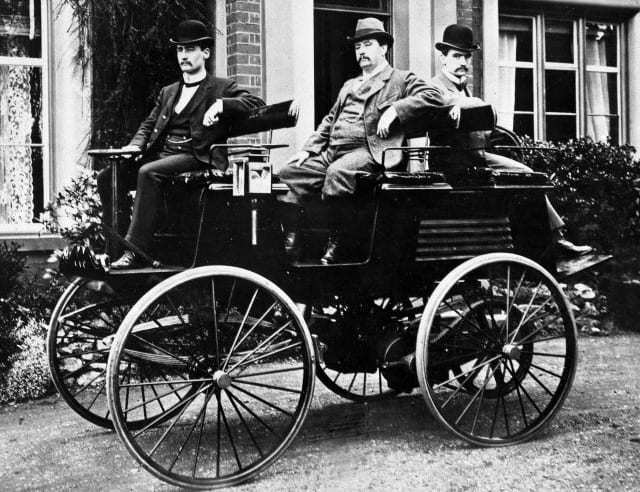
- 1874: Demonstration of a battery-powered carriage.
- 1870s: Dynamo generators enable consistent electricity generation.
- 1885: First gasoline-powered tricycle emerges, marking the beginning of ICE competition.
As we concluded in class, by the time the 20th century arrived, electric vehicles were not only present—they were competitive.
The EV Boom of 1900
One of the most surprising facts for students was the market share breakdown in 1900, when 4,200 automobiles were sold:
- 40% steam-powered
- 38% electric-powered
- 22% gasoline-powered
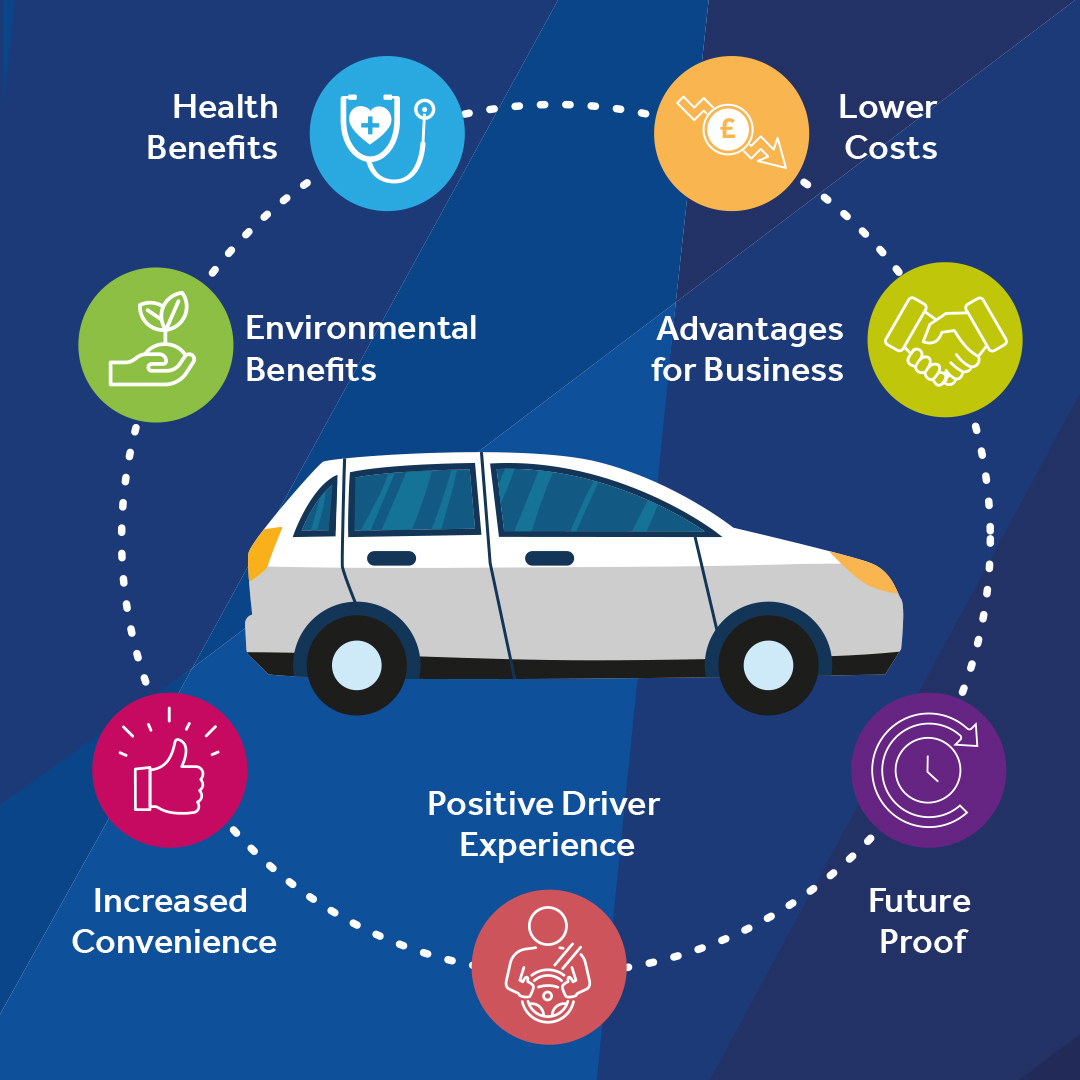
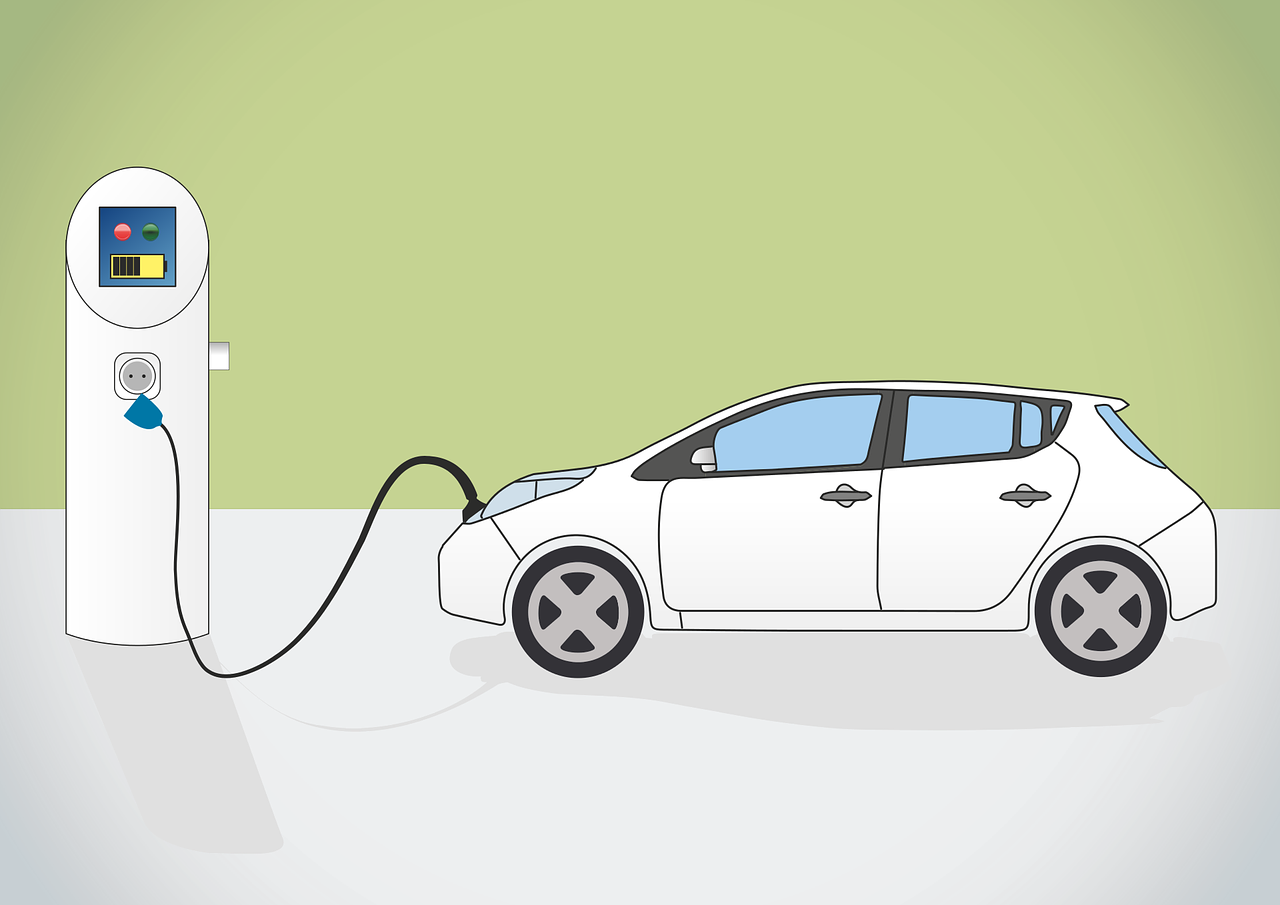
Electric cars were widely admired because they were quiet, clean, and easy to operate—features that we still value today.
We also reviewed performance specifications of early models:
- 1897 Krieger Co. EV: 15 mph, 50-mile range
- 1900 B.G.S. EV: 40 mph, 100-mile range
- 1912: 34,000 EVs registered; EVs outnumber gasoline cars 2-to-1
- 1915 Woods EV: 40 mph, 100-mile range
- 1915 Lansden EV: 93-mile range, 1-ton payload capacity
For their time, these numbers were impressive and made electric cars highly practical for urban use.
Why Did EVs Disappear in the 1920s?
As we analyzed in class, the decline of early EVs was not due to a single reason but a combination of technological, economic, and infrastructural challenges.
Major Factors
- 1911 invention of the electric starter motor
- Gasoline cars became easier to start; hand-cranking was no longer required.
- Ford’s mass production revolution
- Model T price dropped from $850 (1909) to $260 (1925).
- EVs remained far more expensive due to complex batteries and lower manufacturing scale.
- Limited access to electricity
- Urban areas had power, but rural regions—where most Americans lived—did not.
- Gasoline, however, was sold everywhere.
By the 1920s, gasoline vehicles clearly outpaced EVs in practicality, affordability, and accessibility, leading to a century-long dominance of the internal combustion engine.
Closing Reflection
Studying the early years of EVs gives us perspective: electric mobility isn’t a new idea, nor is its struggle for adoption. Instead, it is a story shaped by scientific progress, economic forces, and infrastructure readiness.
The difference today is that the world finally has:
- Advanced batteries
- Strong charging networks
- Clean energy sources
- Policy support
- Environmental urgency
Together, these conditions have revived EVs and placed them at the center of future transportation.



latest video


news via inbox
Nulla turp dis cursus. Integer liberos euismod pretium faucibua