EV Evolution in the 1980s and 1990s
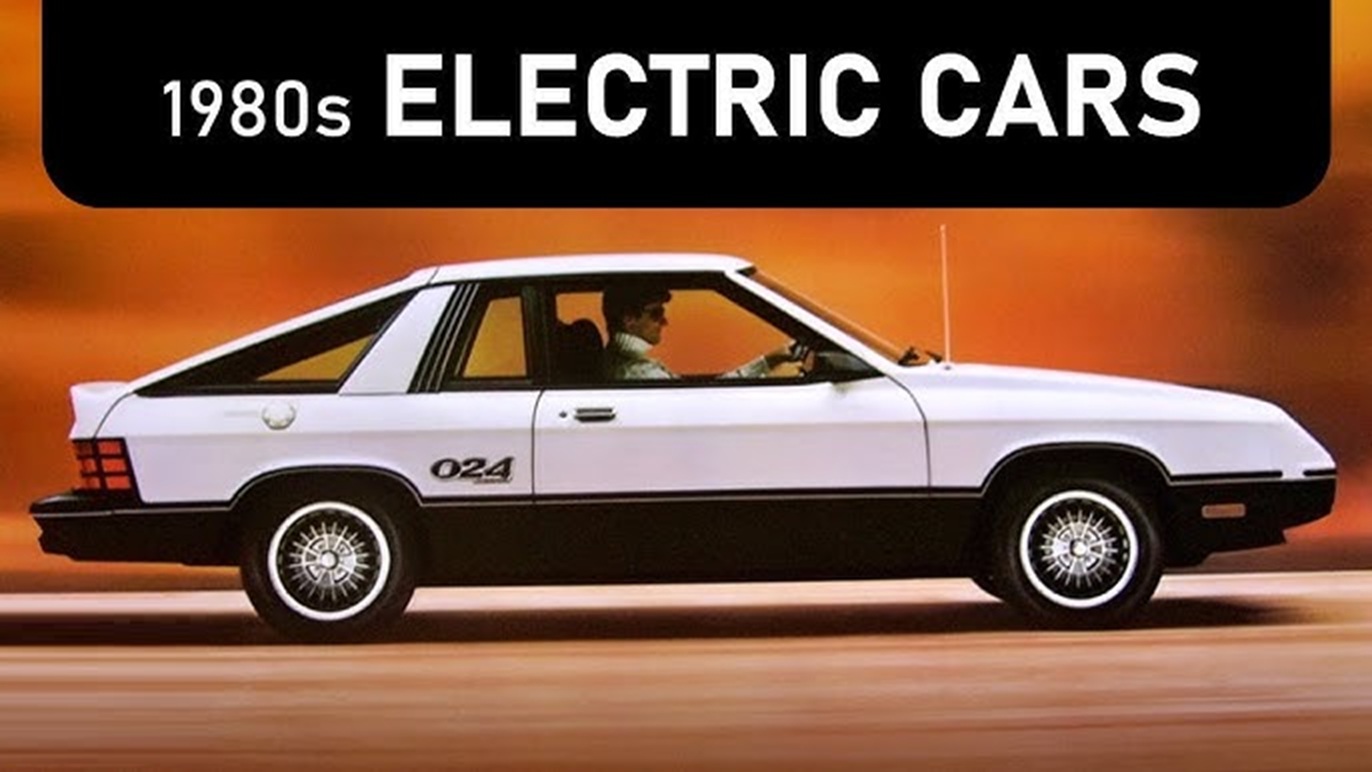
EV Evolution in the 1980s and 1990s: Technology Breakthroughs and Policy-Driven Progress
In today’s session, we explored the transformative decades of the 1980s and 1990s—a period when technological leaps and legislative mandates pushed electric vehicles closer to practical, road-ready reality. These years mark the beginning of what we now recognize as the modern EV era. While earlier decades focused on experimentation, the late 20th century finally brought together power electronics, advanced computing, and strong policy frameworks to accelerate EV development.
Technological Advances: Power Electronics and Microprocessors
The 1980s and 1990s witnessed breakthroughs that fundamentally changed electric motor control and energy conversion:
Key innovations included:
- High-power, high-frequency semiconductor switches
– Emergence of MOSFETs, IGBTs, and faster SCRs
– Enabled efficient, compact motor drives - Microprocessor revolution
– Allowed precise control of converters, motors, and battery systems
– Improved reliability, efficiency, and safety of EV powertrains - Development of magnetic bearings for flywheel energy storage systems
– Though not widely used in mainstream EVs, they demonstrated potential for regenerative energy storage.
Together, these technologies laid the foundation for the highly controlled and efficient propulsion systems we see in EVs today.
1990s: Zero-Emission Vehicle (ZEV) Mandate and Legislative Push
The real turning point in modern EV development was policy—not technology.
In 1990, the California Air Resources Board (CARB) issued a groundbreaking mandate aimed at reducing urban air pollution:
- By 1998 → 2% of vehicles sold by large manufacturers had to be zero-emission vehicles (ZEVs)
- By 2001 → 5% ZEVs
- By 2003 → 10% ZEVs
Although these targets were later relaxed due to industry limitations, they had an enormous impact:
Revised Targets:
- 4% of vehicles must be pure ZEVs
- Additional 6% must be ZEV or partial ZEV technologies
For companies like GM, this meant selling nearly 14,000 EVs in California alone, creating a strong incentive to invest in electric mobility.
Collaborative Initiatives: PNGV and FreedomCAR
Motivated by environmental concerns and energy security, the U.S. government partnered with automakers and laboratories to advance EV technologies.
Major Initiatives:
- PNGV (Partnership for Next Generation Vehicles, 1993)
– Focused on EVs and hybrid EVs
– Encouraged research into efficient propulsion and lightweight materials - FreedomCAR Initiative
– A collaboration between DOE and automotive manufacturers
– Aimed to promote advanced vehicles including hybrids, EVs, and fuel cell technologies
These programs created a research ecosystem that supported battery chemistry improvements, inverter development, and systems integration.
Trends in EV Development During the Period
We highlighted several industry-wide observations from the late 20th century:
- Major manufacturers increased EV research
- New independent EV startups emerged
- Prototype vehicles improved dramatically
- International (especially European and Japanese) research activity grew
- Hybrid vehicle development accelerated
- Enthusiasts began converting ICE vehicles to EVs
- Fuel-cell-based EVs gained early traction as potential range-extenders
Collectively, these trends signaled the beginning of a global shift toward clean mobility.
Case Study 1: GM Impact (1993)
The GM Impact was a milestone prototype that demonstrated the feasibility of mass-manufactured electric vehicles.
Key Specifications:
- Motor: 3-phase induction motor, 137 hp, 12,000 rpm
- Battery Pack: 26 lead–acid batteries (312 V), 869 lb
- Drive: IGBT-based DC–AC inverter
- Top Speed: 75 mph
- Range: 90 miles (highway)
- Acceleration: 0–60 mph in 8.5 seconds
- Vehicle Weight: 2900 lb
Originally shown at the 1990 LA Auto Show, the Impact later became the test bed for customer trials and mass-production strategies.
Case Study 2: Saturn EV1 (1995)
The EV1 is one of the most iconic early modern electric vehicles. Built by GM and leased in California and Arizona, it represented the world’s first purpose-built commercial EV of the modern era.
Key Specifications:
- Motor: 3-phase induction
- Battery: Lead–acid
- Inverter: IGBT-based DC–AC
- Top Speed: 75 mph
- Range: 90 miles (highway), ~70 miles (city)
- Acceleration: 0–60 mph in 8.5 seconds
- Energy Consumption:
– 25 kWh/100 miles (highway)
– 30 kWh/100 miles (city)
Despite its short production run, the EV1 demonstrated the commercial viability of EVs and inspired future designs.



latest video


news via inbox
Nulla turp dis cursus. Integer liberos euismod pretium faucibua