EV Developments of the 1960s and 1970s
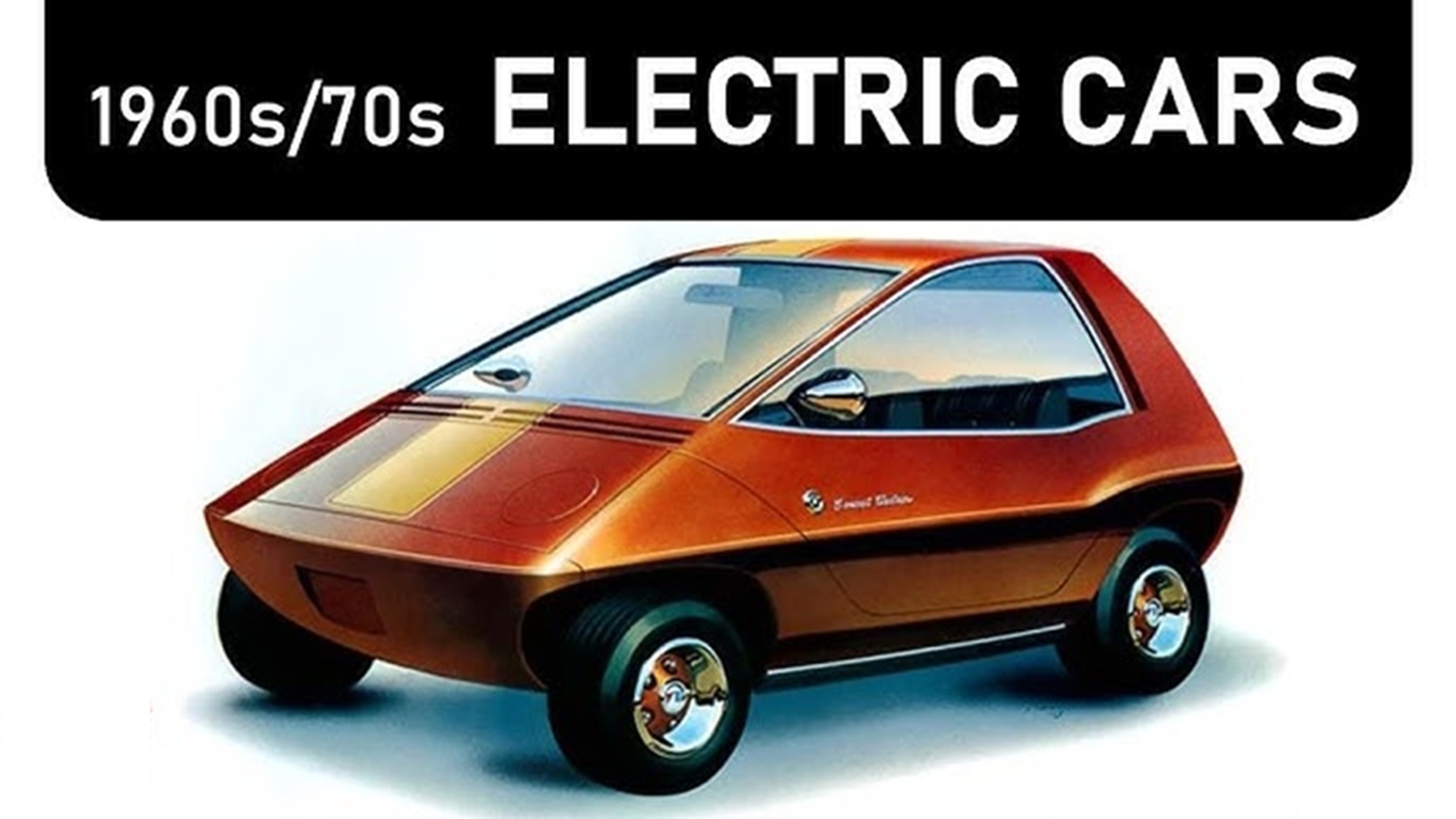
The Resurgence of Electric Vehicles: EV Developments of the 1960s and 1970s
In today’s Electric Vehicles class, we examined the period when EVs made their first meaningful comeback after decades of decline. Although early EVs faded in the 1920s due to technological and economic disadvantages, global concerns in the mid-20th century created fresh momentum for electric mobility. This blogpost summarizes the key points we discussed regarding the resurgence during the 1960s and 1970s—a crucial bridge between the early EV era and the modern EV revolution.
EV Rekindling in the 1960s
By the 1960s, the environmental impact of internal combustion engine vehicles was becoming increasingly visible. Air pollution, smog formation, and urban health issues pushed industry and researchers to reconsider cleaner alternatives. Major automobile manufacturers—including General Motors (GM) and Ford—began investing in EV R&D for the first time since the early 1900s.
GM’s Electrovair I & II (1964 & 1966)
We reviewed these vehicles in detail, as they represent significant engineering efforts of the era.
Key Technical Features:
- Motor: 3-phase induction motor, 115 hp, max speed 13,000 rpm
- Battery: Silver–zinc (Ag-Zn), 512 V, 680 lb
- Motor Drive: SCR-based DC–AC inverter
- Top Speed: ~80 mph
- Range: 40–80 miles
- Acceleration: 0–60 mph in 15.6 seconds
- Vehicle Weight: 3400 lb
- Chassis: Based on the Chevy Corvair
Performance-wise, the Electrovair compared well with the gasoline Corvair in acceleration—a major achievement at the time.
However, two critical limitations held it back:
- Silver–zinc batteries were extremely expensive and heavy.
- Short cycle life and long recharge time made the vehicles impractical for commercial use.
Despite these challenges, the Electrovair project proved valuable as a technological stepping stone toward later EV developments.
The Great Electric Car Race of 1968
A fascinating part of EV history that students enjoyed learning about was the Caltech vs. MIT cross-country electric car race—a 3,300-mile competition that captured public interest in August 1968.
The race:
- Demonstrated the endurance limits of EVs
- Showcased growing academic involvement in EV technology
- Highlighted the need for better batteries and power electronics
Although EV technology still lacked commercial readiness, the race served as a large-scale test bed and brought EVs back into public conversation.
The 1970s Energy Crisis and EV Revival
In the 1970s, the global energy landscape shifted drastically. Due to the 1973 Arab oil embargo, gasoline prices surged, leading to fuel shortages and rising national concerns about petroleum dependence. This crisis created significant momentum for alternative transportation technologies.
🔎 Key Developments in the 1970s
- U.S. Postal Service (1975): Deployed 352 electric vans for testing.
- Electric and Hybrid Vehicle Research, Development and Demonstration Act (1976):
- Public Law 94–413 initiated.
- Federal government promoted EV and hybrid development.
- Funding supported R&D programs across universities and industries.
- Department of Energy (DOE) introduced EV performance standardization (Table 1.1), setting benchmarks for acceleration, gradability, speed, range, and recharge time.
These national initiatives marked the first structured government-backed EV program.
Case Study: GM Electric Vehicle of the 1970s
We also examined a GM experimental EV developed during this era as a test platform for Ni–Zn batteries.
Specifications:
- Motor: Separately excited DC motor, 34 hp, 2400 rpm
- Battery Pack: Nickel–zinc (Ni-Zn), 120 V, 735 lb
- Auxiliary Battery: Ni-Zn, 14 V
- Drive System:
- Armature chopper using SCRs
- Field chopper using BJTs
- Top Speed: ~60 mph
- Range: 60–80 miles
- Acceleration: 0–55 mph in 27 seconds
- Chassis: Modified Chevy Chevette
What impressed students most was the 35,500 miles of on-road testing, which demonstrated the vehicle’s reliability despite the technological limitations of its time.
Reflection: Lessons from the 1960s–70s EV Attempts
Although neither decade produced commercially successful EVs, they laid the groundwork for the breakthroughs that would follow in the 1990s and beyond.



latest video


news via inbox
Nulla turp dis cursus. Integer liberos euismod pretium faucibua