Classification of Electric Vehicles: BEV, HEV, PHEV and FCEV
While EVs are often thought of as vehicles running purely on batteries, in practice, electric propulsion can coexist with other energy sources. This has led to multiple EV configurations, each designed to balance performance, range, cost, and emissions. This blogpost summarizes how EVs are classified based on their energy sources and propulsion systems, following internationally accepted definitions.
Electric Propulsion and Energy Sources
An electric vehicle must satisfy at least one key condition: Vehicle traction is provided by an electric motor
However, the energy source supplying this electric motor can vary. An EV may:
- Run solely on stored electrical energy, or
- Combine electrical energy with other energy sources such as fuel or mechanical storage.
Vehicles that use more than one type of energy source, storage system, or energy converter are referred to as Hybrid Electric Vehicles (HEVs) under a broad definition.
IEC Definition of Hybrid Electric Vehicles
The International Electrotechnical Commission (IEC), through Technical Committee 69 (Electric Road Vehicles), defines an HEV as: A vehicle that uses two or more types of energy sources, energy storage systems, or energy converters, provided that at least one of them supplies electrical energy.
This inclusive definition allows a wide range of combinations, such as:
- ICE + battery
- Battery + flywheel
- Battery + ultra-capacitor
- Battery + fuel cell
Over time, practical usage and industry conventions have refined these categories into well-recognized vehicle types.
Main Categories of Electric Vehicles
Based on commonly accepted terminology, EVs are classified as follows:
a) Battery Electric Vehicle (BEV)
- Uses only a battery as the energy source
- Propelled entirely by an electric motor
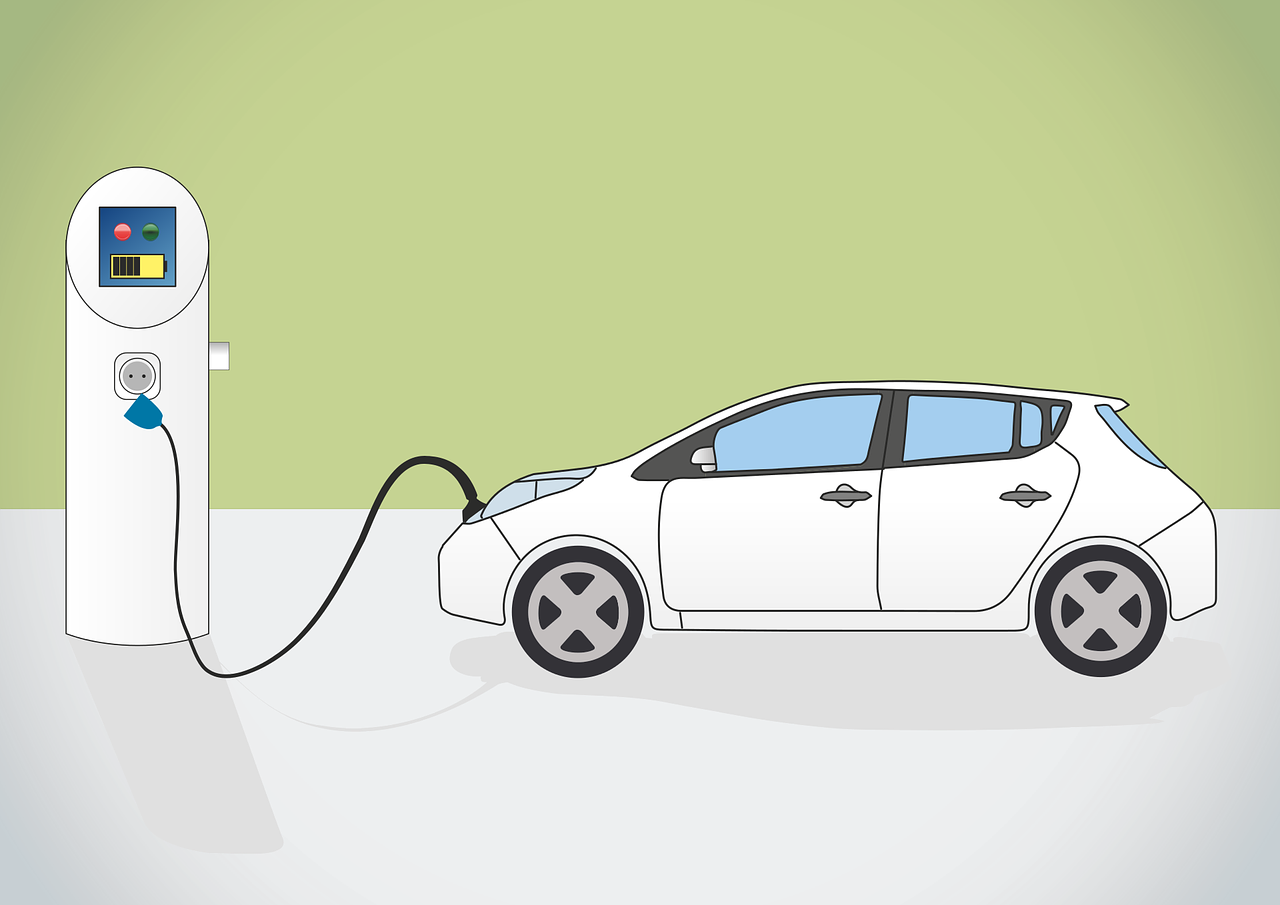
- Charged from the electrical grid
- Zero tailpipe emissions
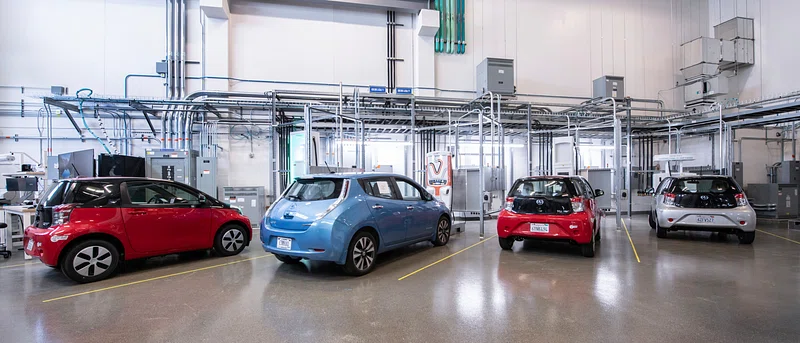
- Examples: Nissan Leaf, Tesla Model 3, Tata Nexon EV
Key Characteristics:
- Simple powertrain
- High efficiency
- Limited range dependent on battery capacity
b) Hybrid Electric Vehicle (HEV)
- Combines an internal combustion engine (ICE) and an electric motor
- Battery is charged internally (engine + regenerative braking)
- No external charging
- Examples: Toyota Prius (HEV), Honda Insight
Key Characteristics:
- Improved fuel economy
- Reduced emissions (but not zero)
- Higher system complexity
c) Plug-in Hybrid Electric Vehicle (PHEV)
- Similar to HEV but with a larger battery
- Can be charged from the grid
- Capable of short-distance pure electric driving
- Examples: Toyota Prius Prime, Mitsubishi Outlander PHEV
Key Characteristics:
- Flexibility of electric + fuel operation
- Reduced fuel usage for daily commutes
- Costlier than HEVs
d) Fuel Cell Electric Vehicle (FCEV)
- Uses a fuel cell (hydrogen-based) to generate electricity onboard
- Electric motor provides traction
- Battery or capacitor used for transient power support
- Zero emissions (water vapor only)
- Examples: Toyota Mirai, Hyundai NEXO
Key Characteristics:
- Long driving range
- Fast refueling
- Hydrogen infrastructure limitations



latest video


news via inbox
Nulla turp dis cursus. Integer liberos euismod pretium faucibua