Introduction to Electric Vehicles
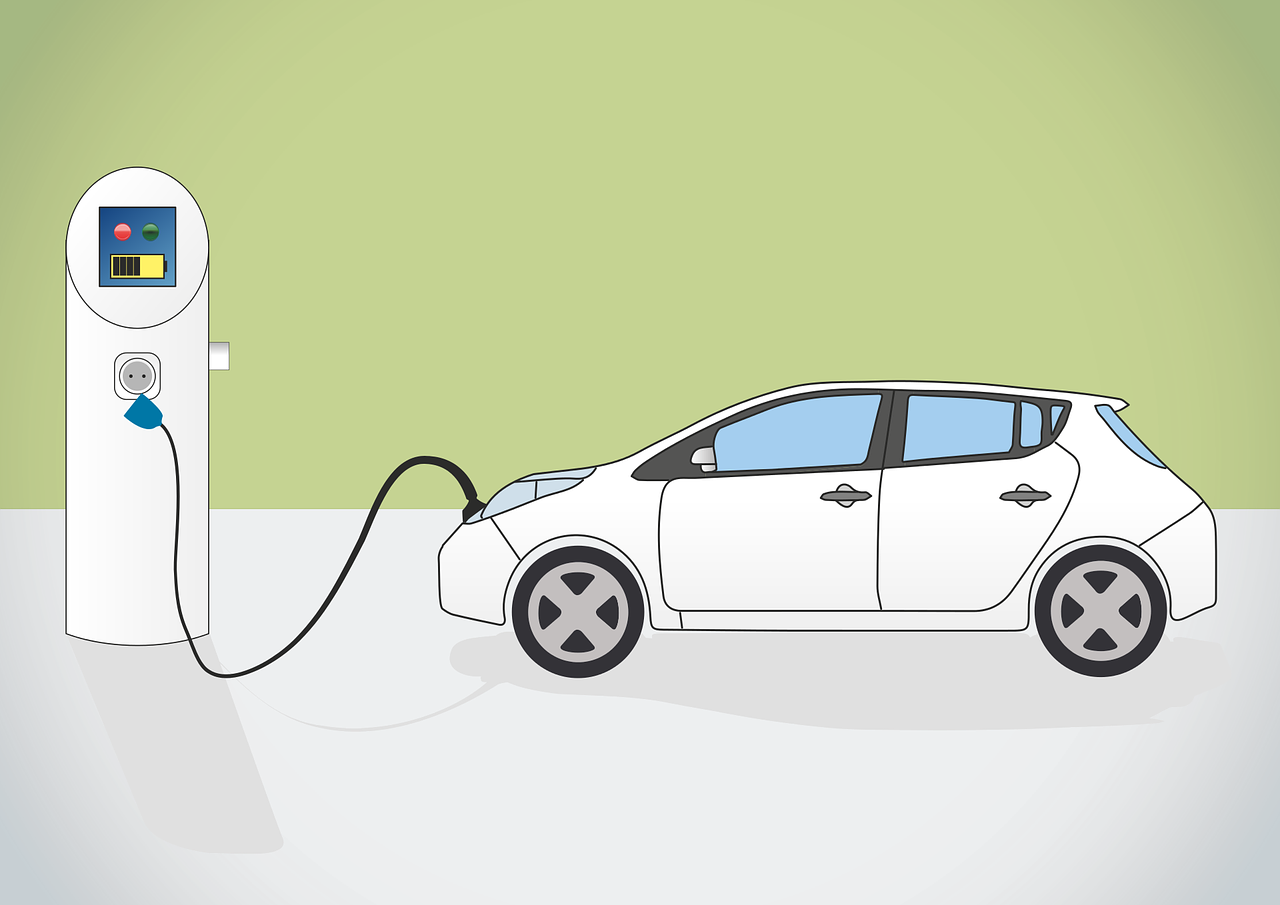
EVs are nothing new; they were invented in 1830s but lost the competition for dominance to internal combustion engine vehicles (ICEVs). Actually, the first EV was a battery-powered tricycle built by Thomas Davenport in 1834. In 1900, among an annual sale of 4200 automobiles in the US, 38% were EVs, 22% ICEVs, and 40% steam-powered vehicles. At that time, EVs were the preferred road transportation among the wealthy elite. Their cost was equivalent to a Rolls Royce of today. A man with an idea that finished off the EVs for good was Ford. His mass-produced Ford Model T could offer a range double or triple that of the EVs but at only a fraction of their cost. By the 1930s, the EVs almost vanished from the scene. The rekindling of interests in EVs started at the outbreak of the energy crisis and oil shortage in the 1970s. Owing to the growing concern over air quality and the possible consequences of the greenhouse effect in the 1980s, the pace of EV development was accelerated. In general, EVs are classified as the PEV, HEV, and FEV types on the basis of their energy sources and the propulsion devices. In essence, the PEV is purely fed from electricity, while the propulsion is solely driven by the electric motor; the HEV is sourced from both electricity and gasoline/diesel, while the propulsion involves both the electric motor and engine; and the FEV is directly or indirectly sourced from hydrogen, while the propulsion is solely driven by the electric motor. Moreover, in order to distinguish the refueling means, the HEV can be further categorized into the conventional HEV and the gridable HEV. The conventional one is solely refueled with gasoline/diesel in filling stations, whereas the gridable one can be recharged by electricity via charging ports. On the basis of the hybridization level and the operation feature between the electric motor and engine, the conventional HEV can be further split into the micro HEV, mild HEV, and full HEV. Meanwhile, on the basis of the coordination between the electric motor and engine, the gridable HEV can be further split into the plug-in hybrid electric vehicle (PHEV) and range-extended electric vehicle (REV).
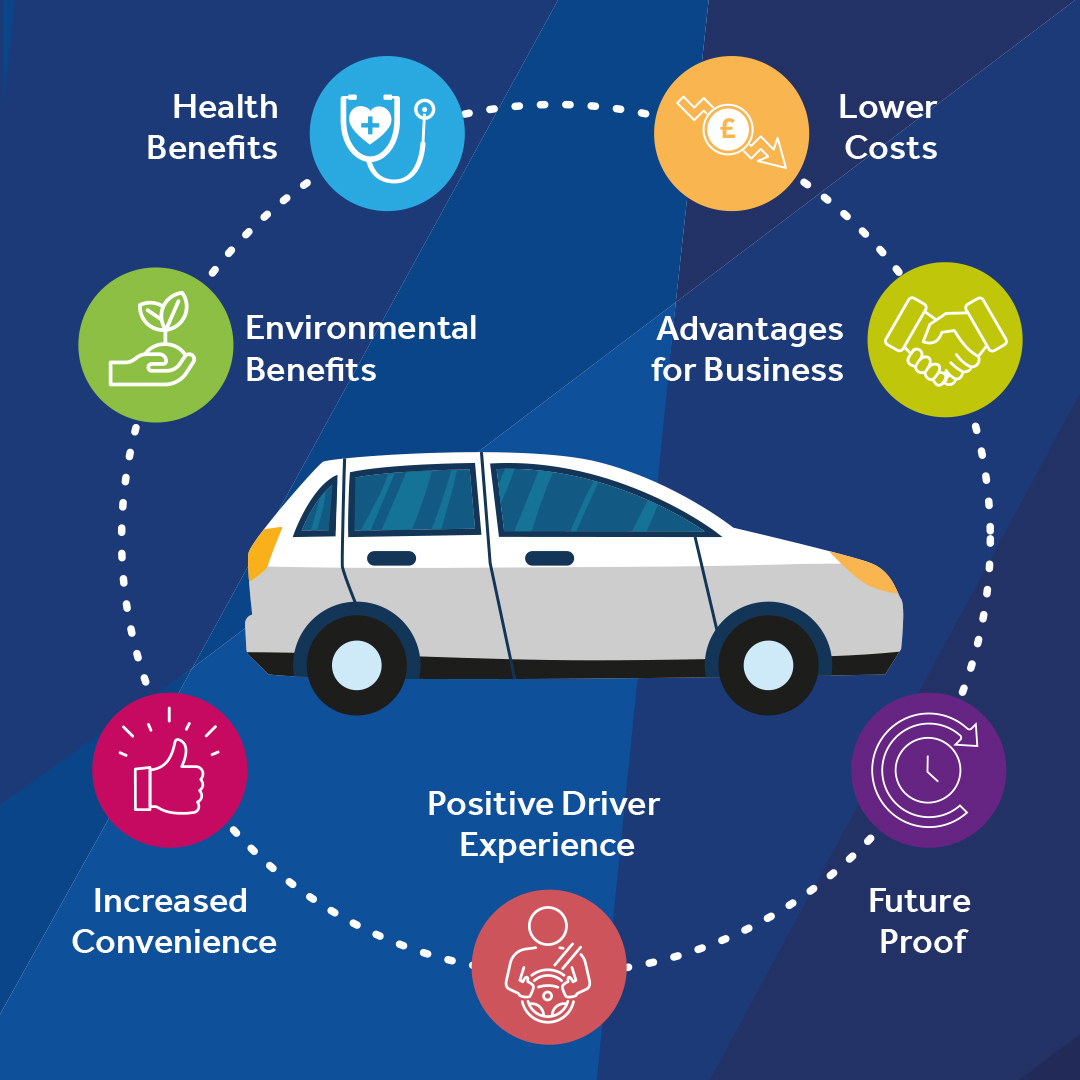
Deriving from crude oil, the gasoline and diesel are the major liquid fuels for ICEVs. EVs are an excellent solution to rectify this unhealthy dependence because electricity can be generated by almost all kinds of energy resources. EVs are more energy efficient than ICEVs. Moreover, EVs can recover the kinetic energy during braking and utilize it for battery recharging, whereas ICEVs wastefully dissipate this kinetic energy as heat in the brake discs. With this regenerative braking technology, the energy efficiency of EVs can be further boosted by up to 10%. In many metropolises, ICEVs are responsible for more than 50% of harmful air pollutants and smog-forming compounds. To reduce air pollution from road transportation, the use of EVs is the most viable choice. Definitely, most EVs offer zero roadside emissions. Even taking into account the emissions from refineries to produce gasoline for ICEVs and the emissions from power plants to generate electricity for EVs, the overall harmful emissions of EVs are still much lower than those of ICEVs, where carbon monoxide (CO), hydrocarbons (HC), nitrogen oxides (NOx), sulfur oxides (SOx), and particulate matters (PMx) are taken into account. It should be noted that the overall carbon dioxide (CO2) emission can also be reduced by about 5% with the use of EVs and energy-efficient power plants. This improvement may be further increased when incorporating with higher percentages of clean or renewable power generation, but may even be negative when adopting inefficient coal-fired power plants. Currently, the conventional HEV has been commercially available and widely accepted as an energy-efficient and environment-friendly vehicle, while the PEV is becoming commercially available and tagged with a zero-emission label. Nevertheless, there are many challenges and opportunities for EV research and development.



latest video


news via inbox
Nulla turp dis cursus. Integer liberos euismod pretium faucibua